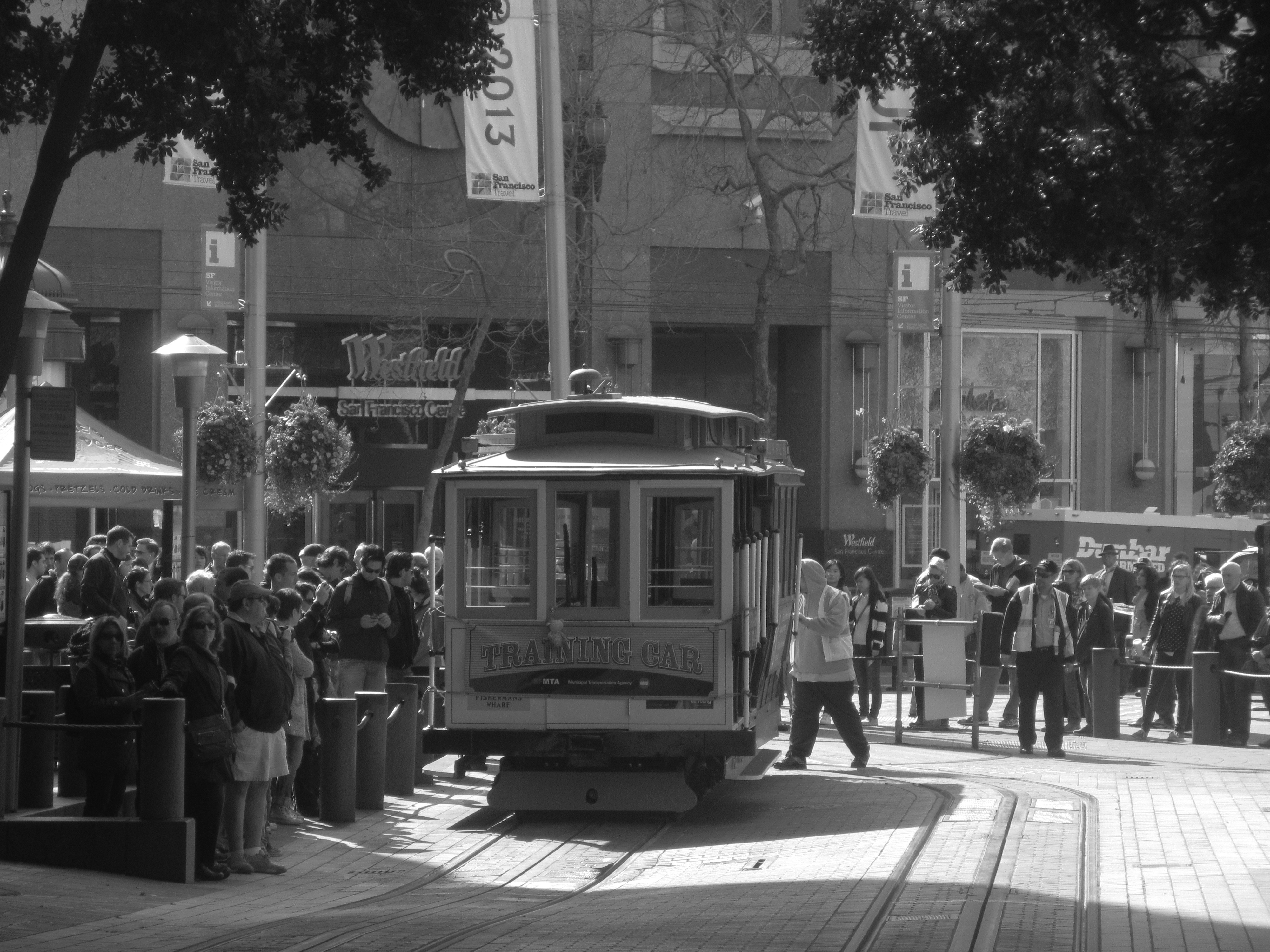
San francisco Cable car

The Forbidden city

Istanbul, Sultan Palace
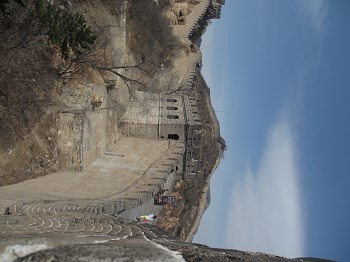
The Great wall
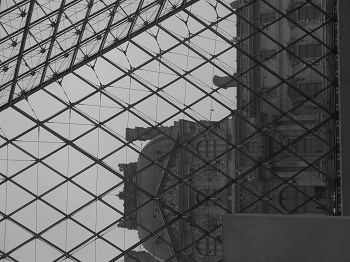
The Louvre
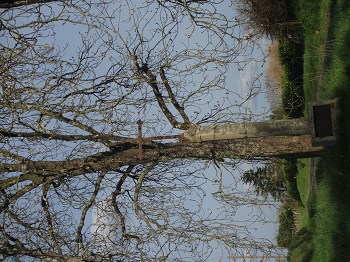
A crucifix in France
HISTORICAL BUILDINGS, HERITAGE & PATRIMONY. A MULTISHAPED REALITY.
“It is not the stones that make the city, but the man who knows how to ensure its salvation. “ says Alcée de Mytilène, VII c before Christ.
But what are these stones, who are these people, and how to ensure their salvation.
Let's take ethymology: “patrimony” is the father’s heritage, enlarged to the family inheritance of property . This notion changed with the 1789’s revolution, to create the idea of a citizen heritage. Painting, sculpture, art objects are to be protected by l’Abbée Gregoire (1750-1831).
This heritage had been quickly recognised more of a community identity than a simple legal transmission to keep the inheritance of property within the family, the individual, or the community.From furniture to building’s value, its meaning evolved towards a more symbolic reality, such as the identification to a community through its land, a landscape, a culture, a language, arts, references to a common past…
André Malraux initiated the legal frame for historical protection. The law of 1962 will thus protect Versailles, Le Louvre, Vincennes, Fontainebleau, Chambord, Chartres, and Reims cathedrals. Then Michel Guy added some of the XX century buildings, part of an urban context.
From then on, the nation started to protect not only architectural details , monumental, or punctual places like castles or churches but the urban space with parks, places, a menhir, an oppidum, a tumulus, an archaeological site, and landscapes. The legislator’s concerns changed for a larger scale to protect the entire territory.
“The French territory is the common heritage of the nation.” This can be applied to languages, writings, archives, genuine savoir faire… to this, oral traditions and expressions, social behaviour, and craft knowledge can be added. Today the UNESCO‘s task is to identify and register immaterial historical protection items, to be transmitted to further generations. As immaterial heritage we can list the “ Soufflaculs de Nontron ( Dordogne) , or “ Mineral use and representation in Brittany”.
A worldwide list had been established by UNESCO from 1972, and France was an active member for it, as well as the Council of Europe's Convention of Faro in 2005.
The popularity of Historical buildings is growing constatntly and some 15 million visitors in France, every year, participate in the yearly " Historical building days event", initiated by one the former Minister of Culture, Jack Lang.
The actual French Cultural Minister, Aurélie Filippetti says “The heritage is our common history, when we protect it, we are not transforming our country into a museum, we are saving its richness.”
Undoubtedly, the investment for historical protection and its management has a substantial return, on finances, on job opportunities, in terms of image for the city, the area.
The concept richness and diversification, lead my students to create a few thematic list:
THE WORLDWIDE PATRIMONY: Petra a fragile dream, the Dogon country - patrimony in danger, Auschwitz memory and respect, Le Havre XXe century patrimony.
TODAY'S PATRIMONY: Dubai, creation of a new heritage, Paris-la-Defense Lighthouse Tower- a XIXe century heritage.
THE LANDSCAPE & RURAL HERITAGE: The historical value of the Seine river landscapes, The Mont Ventoux , the Desert of Retz.
THE INDUSTRIAL HERITAGE: the new industrial building conversion, Menier in Noisiel, the cotton mills in Bombay, the north of France mining area, the Saint Nazaire submarine base.
THE URBAN PATRIMONY: Bruges (BE)- a museum city, Lorient between history and modernity, Vezelay, the undervalued Haussmann web, The Brady’s passage in Paris- to be saved?, Saint Tropez-a fashion victim heritage?.
THE SMALL PATRIMONY: the boat building site in Crozon -what is its future?, the Avenue Daumesnil viaducts in Paris-a new life.
ORIGINAL HERITAGE: The Samaritaine a former department store, between heritage and economical dynamic, the Creole houses in Guyana, New Orleans after ‘ Katrina” what is the meaning of heritage after a disaster.
This inventory leads to questions: the interest for a larger and extended notion of heritage is somehow necessary but can almost lead to standardization in our countries with old civilisation, where every single kilometer of road leads to so many churches, catles, panoramas, remakable buildings?
The addition of Le Havre city or the mining area of North of France to the world heritage reinforces our citizen identity, adds value to unknown regions, increases tourism an dgenerates economic resources. When taking about historical cities, protected area, building renovation, urban traffic plan to avoid city centres, would this have a negative impact creating social segregation?The identification of the patrimonial interest, the ways of protecting, the management, the financial aspect, have been carefully studied, creating seminars at all decision’s levels: UNESCO, nations, local and regional communities.
The conclusion must meet the actual substantive debate: The XXe century architectural and urban heritage issues, through the very question: what are the criteria to define the exemplarity of a building i sufficient time has not elapsed yet that woulf avoid falling into the traps of trends, influences and political pressure?
Of course this article about heritage can only open to further debate.

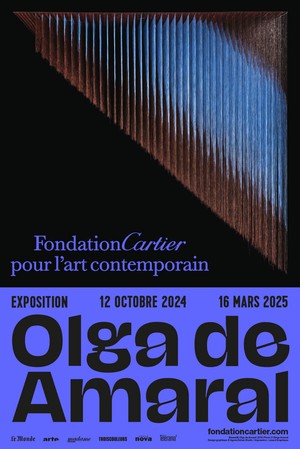
L'EXPO A NE PAS MANQUER A PARIS

ET CELLE CI AUSSI
Archives
-
▶ 2025
-
▶ 2024
-
Nov 2024
-
Sep 2024
-
May 2024
-
Feb 2024
-
Jan 2024
-
-
▶ 2023
-
Nov 2023
-
Sep 2023
-
Jul 2023
-
May 2023
-
Mar 2023
-
Jan 2023
-
-
▶ 2022
-
Sep 2022
-
Jun 2022
-
Mar 2022
-
Jan 2022
-
-
▶ 2021
-
Nov 2021
-
Sep 2021
-
Jul 2021
-
Mar 2021
-
Jan 2021
-
-
▶ 2020
-
Nov 2020
-
Sep 2020
-
Jul 2020
-
May 2020
-
Mar 2020
-
Jan 2020
-
-
▶ 2019
-
Nov 2019
-
Sep 2019
-
Jul 2019
-
May 2019
-
Mar 2019
-
Jan 2019
-
-
▶ 2018
-
Dec 2018
-
Sep 2018
-
Jun 2018
-
Apr 2018
-
Jan 2018
-
-
▶ 2017
-
Nov 2017
-
Sep 2017
-
May 2017
-
Mar 2017
-
Jan 2017
-
-
▶ 2016
-
Dec 2016
-
Nov 2016
-
Oct 2016
-
Sep 2016
-
Aug 2016
-
Jul 2016
-
Jun 2016
-
May 2016
-
Apr 2016
-
Mar 2016
-
Feb 2016
-
Jan 2016
-
-
▶ 2015
-
Dec 2015
-
Nov 2015
-
Oct 2015
-
Sep 2015
-
Jul 2015
-
Jun 2015
-
May 2015
-
Mar 2015
-
Feb 2015
-
Jan 2015
-
-
▶ 2014
-
Dec 2014
-
Nov 2014
-
Oct 2014
-
Sep 2014
-
Jul 2014
-
Jun 2014
-
May 2014
-
Apr 2014
-
Mar 2014
-
Feb 2014
-
Jan 2014
-
-
▶ 2013
-
Dec 2013
-
Nov 2013
-
Oct 2013
-
Sep 2013
-