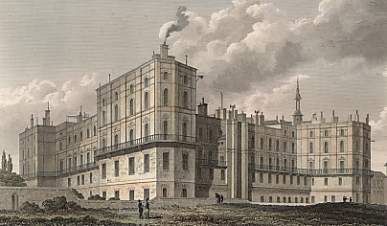
St Germain en Laye sous Louis XIV
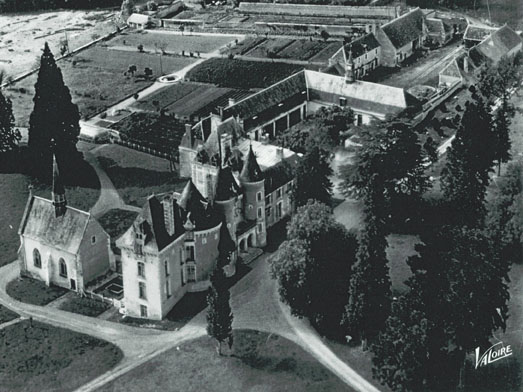
Magnet 1950
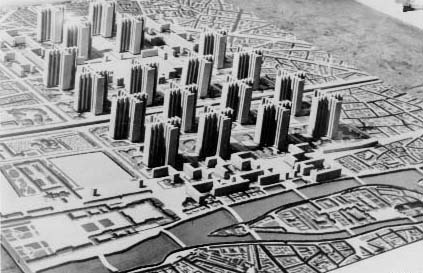
Le Plan Voisin de Le Corbusier
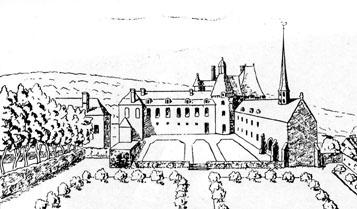
Magnet 1749
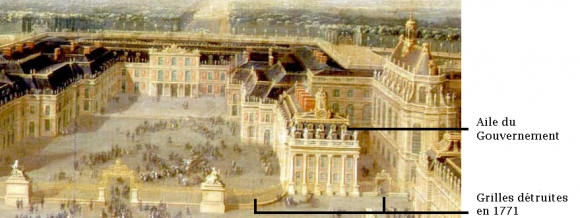
Versailles Grille Royale
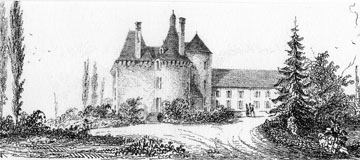
Magnet 1820
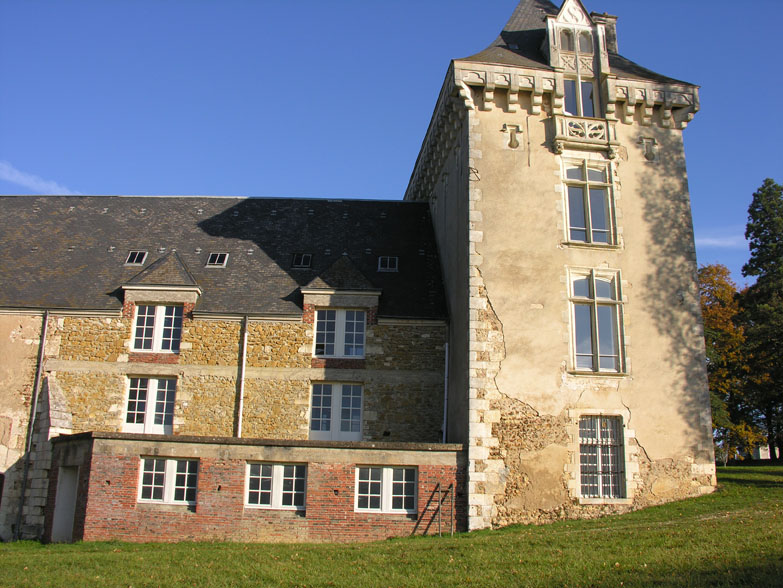
Magnet avant démolitions
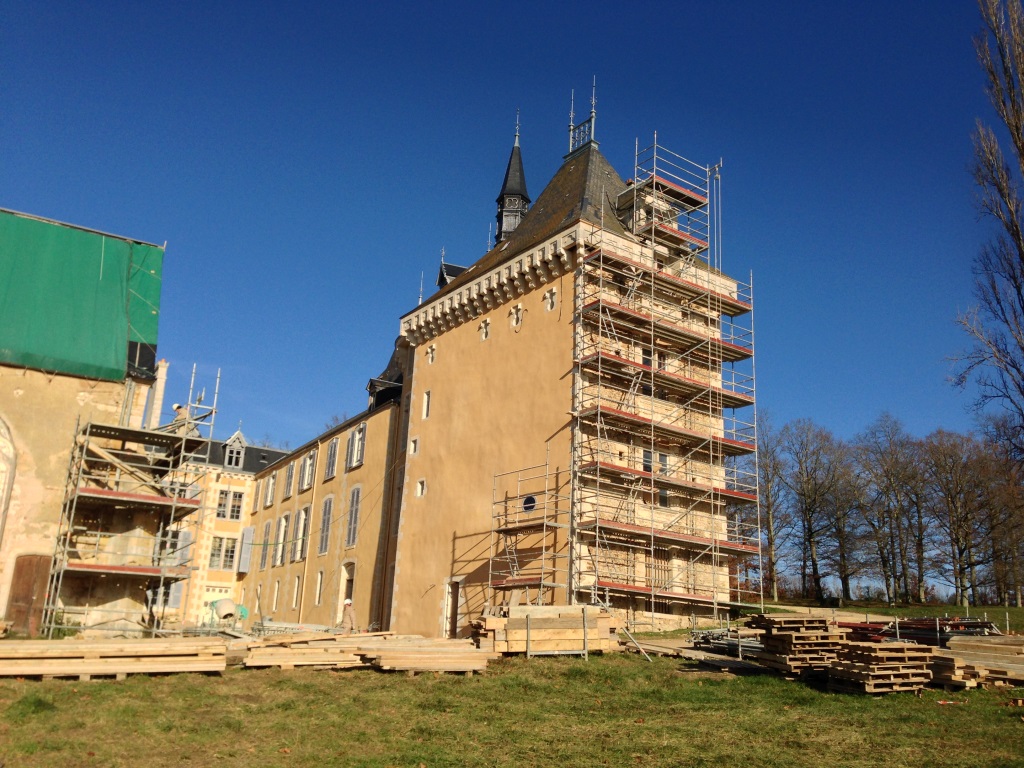
Magnet après démolitions

Magnet le campaniile
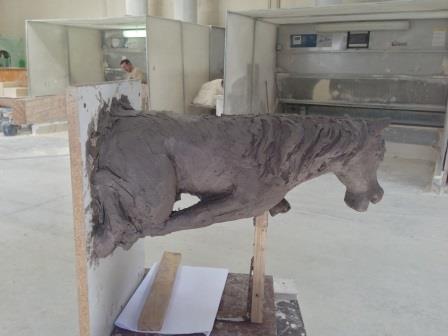
Magnet gargoouille
THE ARCHITECT AND THE QUESTION OF RESTORATION by Philippe JARD
Just like Rome, our Historical Heritage was not created in one day….
Very few buildings were built in one go, suffering few alterations afterwards, like Vaux le Vicomte Castle which nowadays aspect is that of September 5, 1661 when d’Artagnan came to arrest its owner Fouquet and when all works were suddenly stopped.
Our ancestors, when building, did respect their architectural heritage. Don’t we often see a Gothic choir added to a roman nave? The renaissance aisle of a building facing a Classical one ? The financial aspect was definitely significant but as Louis XIV who wanted to keep his father’s outmoded hunting lodge within the walls of Versailles or the Maurist at St-Germain-des-Prés who never hesitated in keeping the Virgin Chapel and the gothic refectory built by Pierre de Montreuil in the XIIIème century, they were really willing to protect history…
Working on a historical building : demolition, reconstitution or restitution ?
Saint Germain-en-Laye : this middle-age castle, rebuilt by François I was then extended by Louis XIV with the creation of new appartments. The turrets were destroyed and the new appartments gave a bulky look to the building. Later, Eugène Millet, a disciple of Violet le Duc, was ordered its transformation into a museum. He could either keep the castle as it was or give it back its looks of the Renaissance, this second option was choosen though Louis XIV’s architect was Jules-Hardouin Mansart!
Let’s imagine that one the place des Vosges pavillions in Paris is entirely destroyed…. Should it be rebuilt the original way ? Or should it, like place Dauphine, be rebuilt according to the architectural trends of the moment ? The answer now seems obvious but what about yesterday and tomorrow ? Don’t forget that the historical districts of Paris could have been destroyed if Le Corbusier’s Voisin Plan had been achieved, a crazy project ? Undoubtedly but not much worse than Haussmann’s plan… Baudelaire wrote : « The old Paris no longer is ; a city now changes faster than the heart of a mortal » what would then be our Paris today ?
« Giving back Versailles its Royal gate, means restoring the sacred place for absolute power its symbolic aspect » : Jean-Jacques Aillagon, recently appointed as the Castle curator thus justified the several million euros works, partly financed by a private company. This gate, designed by Jules Hardouin-Mansart at the end of the XVIIth century was linked to two pavillions, several meters back from the present façade. During the second half of the XVIIIth century, Ange-Jacques Gabriel, Louis XVth’s architect, kept trying to launch his main project of a drastic alteration of the façade on the City side. The works, suspended in 1774, were aimed at rebuilding according to the taste of the moment some buildings considered old-fashioned and left aside part of the gate, the one which is still connected to an ancient pavillion rebuilt in … 1820 by Louis XVIII’s architect, Alexandre Dufour, thus responding to Gabriel’s pavillion.
The gate was definitely not destroyed by the hatred of revolution but as a result of the evolution of the building. Within such changing circumstances, proper to the History of the castle, what should be the basis of a reliable reconstitution ?
The same problem arises when considering the reconstruction of the Tuileries Palace or the St Cloud Castle just like Hohenzollern castle, a perfect copy of the « Prussian jewel » destroyed by the commmunist regime in 1950.
Those examples really mean something to us because they are part of our own history. European countryside is rich and the architect questioning on minor buildings has to be the same.
Let’s take the typical example of the restoration of a castle in a region dear to Georges Sand, the Vallée Noire in Berry. Its construction and alterations lasted some five centuries. Like many countryside castles, very little information is available and only two XVIIIth and XIXth centuries prints and a 1950 postcard will guide the architect.
Which period should then be priviledged ?
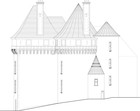 The XVIth Century ? But during the summer of 1626, Louis XIIIth promulgated three edicts. One against luxurious clothing, the second one against duels, the last one ordering the demolition of some fortresses. Right at that period, our castle is loosing it defensive upper floor. .. Does it have to be restituted or reconstituted ?
 The XVIIIth Century ? Far away from Versailles’s rich court, the addition of this very rural aisle would require demolishing all the XIXth Century additions to restore its orginal aspect.
 The XIXème century ? It is the period of drastic changes, this fortress becoming a fairy tale castle. This is the option taken with the demolition of all XXth century additions that linked the Castle to the Chapel and a reconstitution of the Main porch, the finial, the bell tower and the gargoyles, the way a Violet Le Duc would have.
Restitution or reconstitution ?
A restitution is a virtual image or a model showing the missing parts. The reconstitution belongs to the real world and results from the analysis of archeological findings and written or illustrated documents. It is not aimed at reaching a perfect revival of the original but allows a legitimate subsitute. Were it called restitution, it could become falsification.
Philippe JARD - HISTORICAL HERITAGE ARCHITECT
 Philippe JARD, the child who built the City around the train…
Because there was no electricity in the maid’s room of the Rue des Saints Pères, in Saint-Germain-des-Prés, that he was allowed to use as a play room, he spent his time designing and building, with matches and glue, the landscape of his electric train condemned to remain immobile…
The now well-known Hôtel particulier that faced his parent’s appartment clearly drew Philippe’s curiosity, a curiosity now become passion….
Both the little train and its circumstance finally led him to Chaillot…
Several careers are offered in France to the 800 architects graduated from Chaillot:
- Architecte des bâtiments de France, 250 architects, salaried by the State,
- Architecte en Chef des Monuments Historiques, 40 civil servants receiving fees, the only ones allowed to touch State owned protected buildings,
- Architectes du Patrimoine, some 250 of them established in their own agencies and allowed to work on protected privately owned buildings.
Philippe chose this option and works within JARD, BRYCHY Architecture that develops totally contemporary projects as well as subjects closely linked to Historical Heritage. He then tries to give them a new life with the proper integration in our present time, either as a purist or through more daring options…
JARD BRYCHCY ARCHITECTURE www.jbarchi.fr 01 53 33 85 85

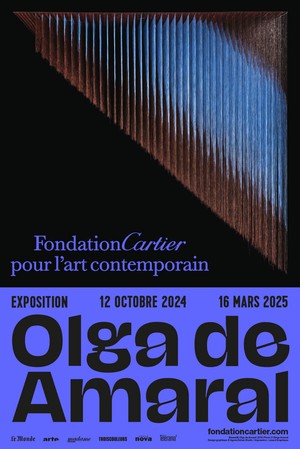
L'EXPO A NE PAS MANQUER A PARIS

ET CELLE CI AUSSI
Archives
-
▶ 2025
-
▶ 2024
-
Nov 2024
-
Sep 2024
-
May 2024
-
Feb 2024
-
Jan 2024
-
-
▶ 2023
-
Nov 2023
-
Sep 2023
-
Jul 2023
-
May 2023
-
Mar 2023
-
Jan 2023
-
-
▶ 2022
-
Sep 2022
-
Jun 2022
-
Mar 2022
-
Jan 2022
-
-
▶ 2021
-
Nov 2021
-
Sep 2021
-
Jul 2021
-
Mar 2021
-
Jan 2021
-
-
▶ 2020
-
Nov 2020
-
Sep 2020
-
Jul 2020
-
May 2020
-
Mar 2020
-
Jan 2020
-
-
▶ 2019
-
Nov 2019
-
Sep 2019
-
Jul 2019
-
May 2019
-
Mar 2019
-
Jan 2019
-
-
▶ 2018
-
Dec 2018
-
Sep 2018
-
Jun 2018
-
Apr 2018
-
Jan 2018
-
-
▶ 2017
-
Nov 2017
-
Sep 2017
-
May 2017
-
Mar 2017
-
Jan 2017
-
-
▶ 2016
-
Dec 2016
-
Nov 2016
-
Oct 2016
-
Sep 2016
-
Aug 2016
-
Jul 2016
-
Jun 2016
-
May 2016
-
Apr 2016
-
Mar 2016
-
Feb 2016
-
Jan 2016
-
-
▶ 2015
-
Dec 2015
-
Nov 2015
-
Oct 2015
-
Sep 2015
-
Jul 2015
-
Jun 2015
-
May 2015
-
Mar 2015
-
Feb 2015
-
Jan 2015
-
-
▶ 2014
-
Dec 2014
-
Nov 2014
-
Oct 2014
-
Sep 2014
-
Jul 2014
-
Jun 2014
-
May 2014
-
Apr 2014
-
Mar 2014
-
Feb 2014
-
Jan 2014
-
-
▶ 2013
-
Dec 2013
-
Nov 2013
-
Oct 2013
-
Sep 2013
-